

Implant & Smile Restoration
Full Arch Dental Implants
Replace a full row of missing teeth with secure, natural-looking results.
Full arch dental implants restore your upper arch, lower arch, or both—so you can smile, speak, and eat with confidence again. Each plan is designed around your comfort, bite, and long-term stability.
Your First Choice for Cosmetic Dentistry
A Secure Way to Rebuild Your Smile
At Gage Dental Care, if you’re missing most (or all) of your teeth—or living with a denture that shifts—full arch dental implants may be the most secure way to rebuild your smile. This treatment anchors a full set of teeth to dental implants, helping you restore chewing strength and everyday confidence with a solution designed to last.
What “Full Arch” Means
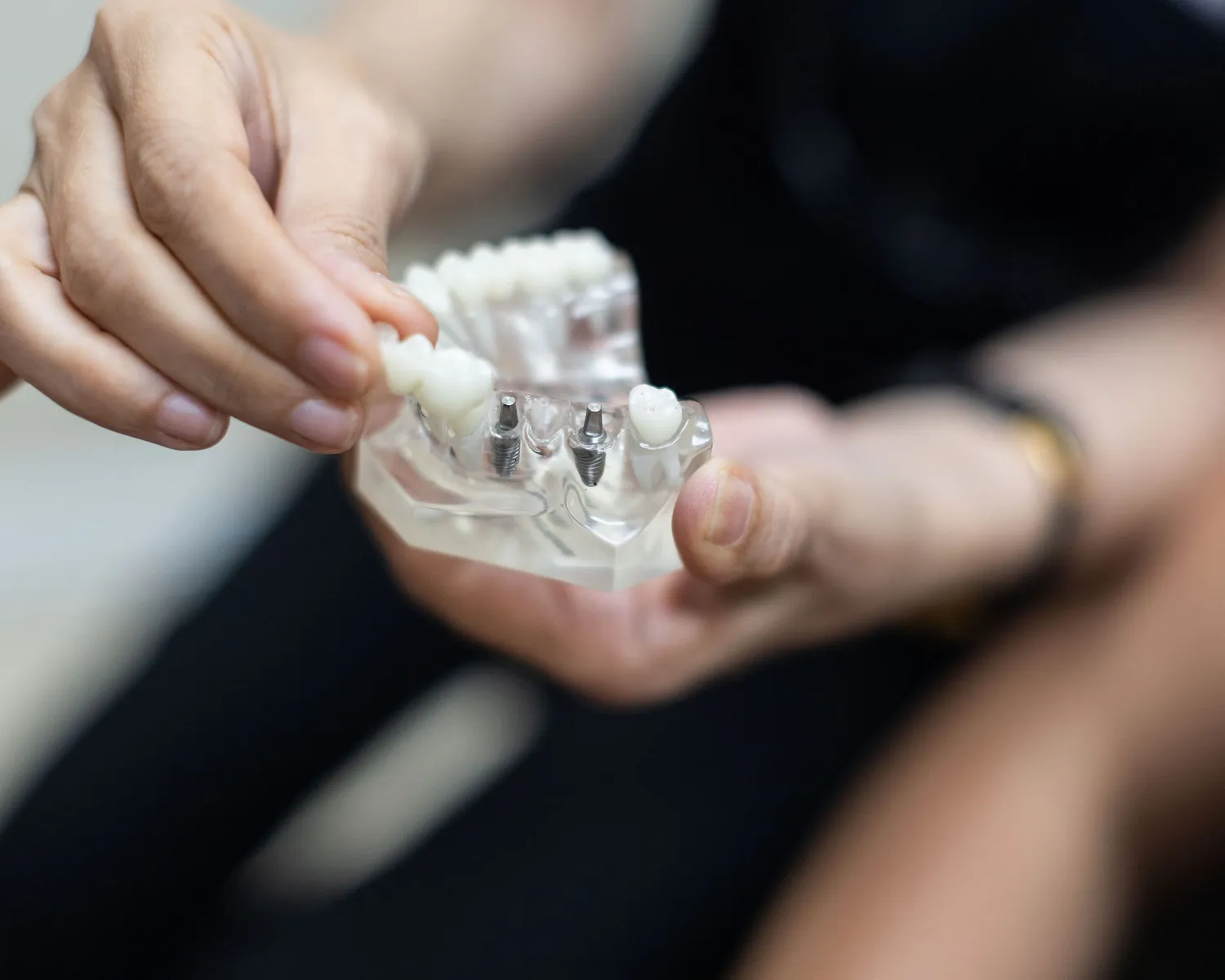
Full arch dental implants replace an entire row of teeth at once. Instead of relying on removable suction or adhesives, the restoration is supported by implants placed in the jaw, creating a stable foundation for a natural-looking smile.
- Stability you can feel Implant support helps reduce the slipping, clicking, and sore spots common with traditional dentures.
- Smile and bite support A fixed, full-arch restoration is built to improve function, comfort, and everyday confidence.
- One plan, fully customized Your arch shape, bite, and esthetic goals guide every detail—from implant placement to the final teeth.
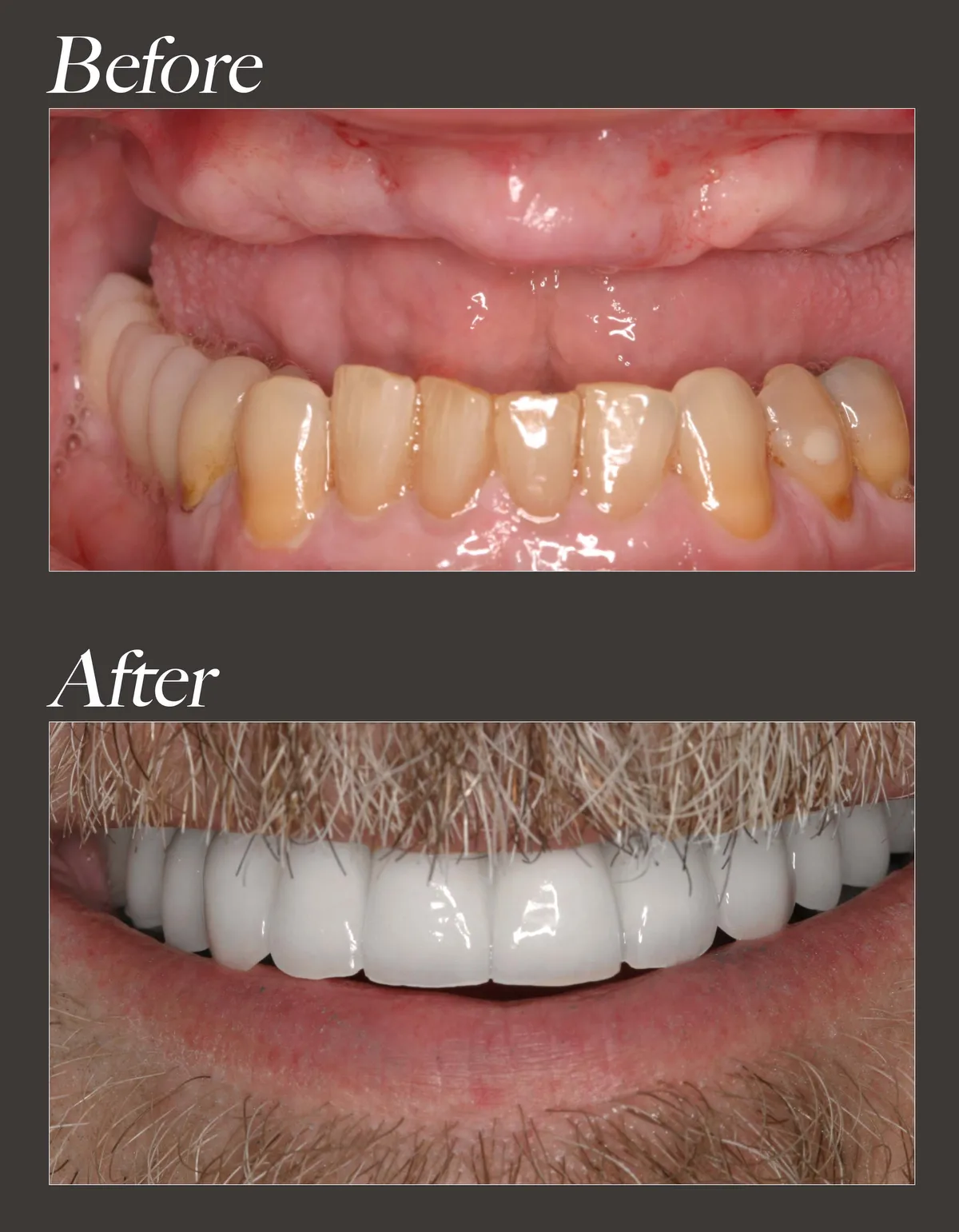
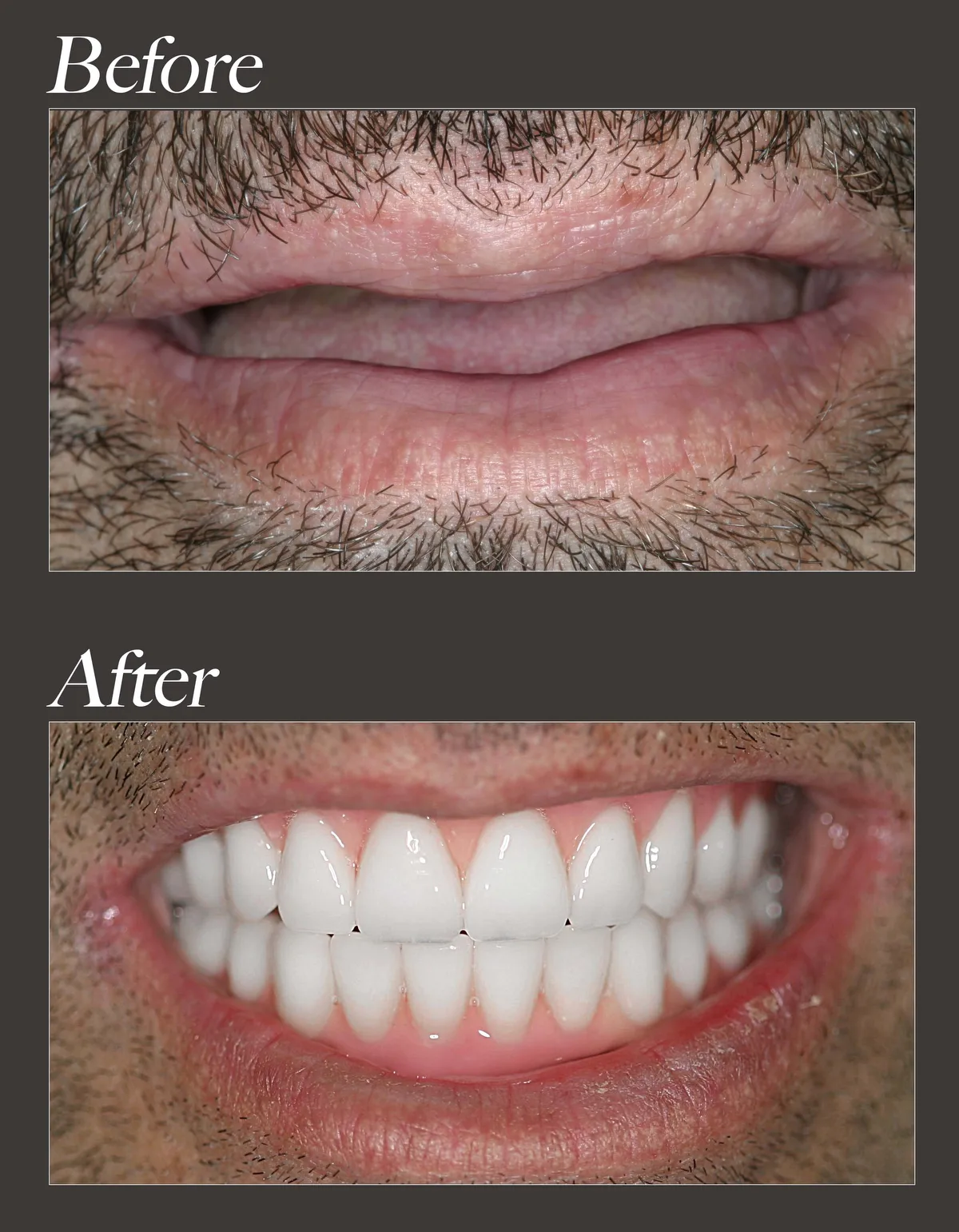
Real Patient Results
 |
 |
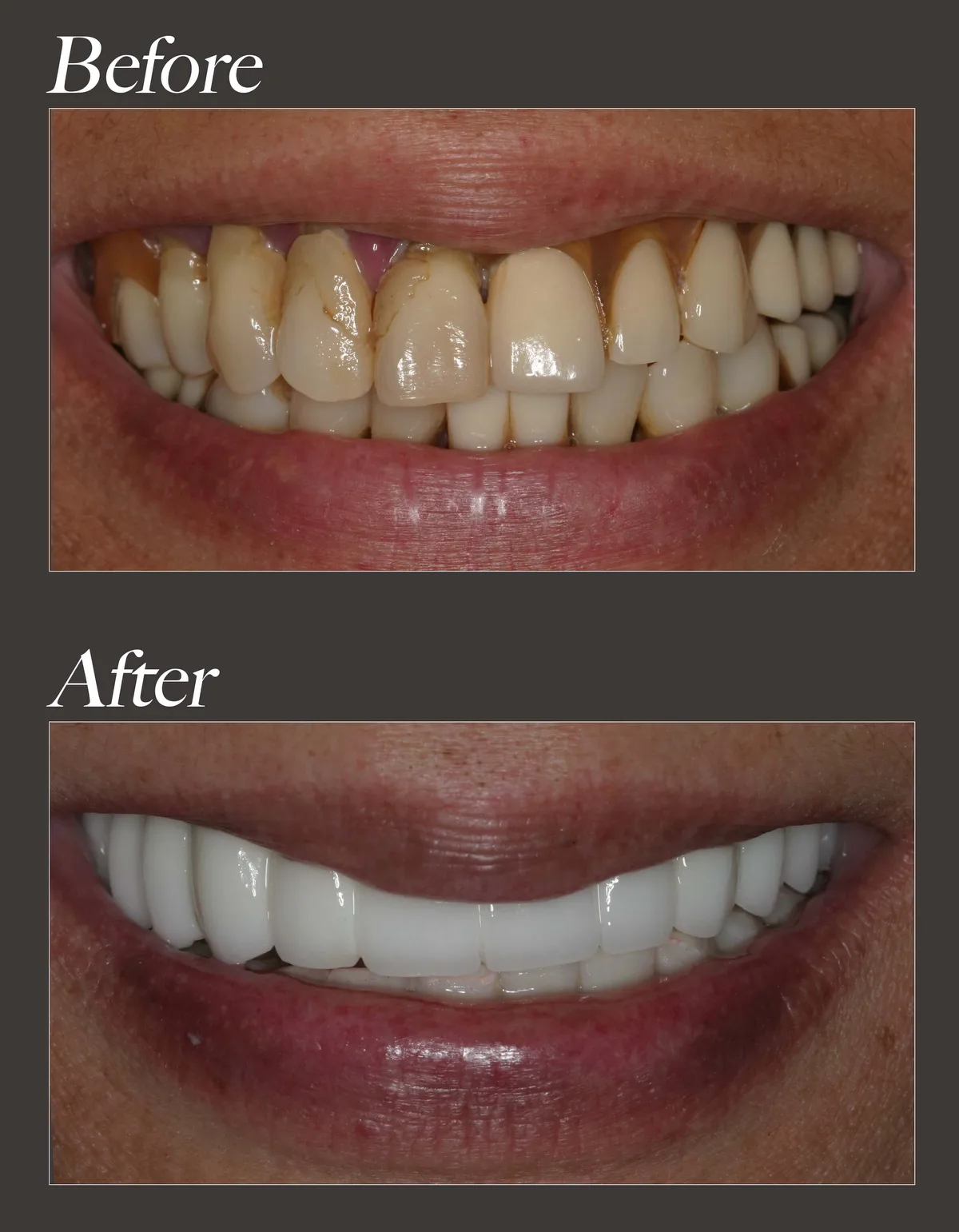 |
View more results in our Smile Gallery →
How Full Arch Dental Implants Work
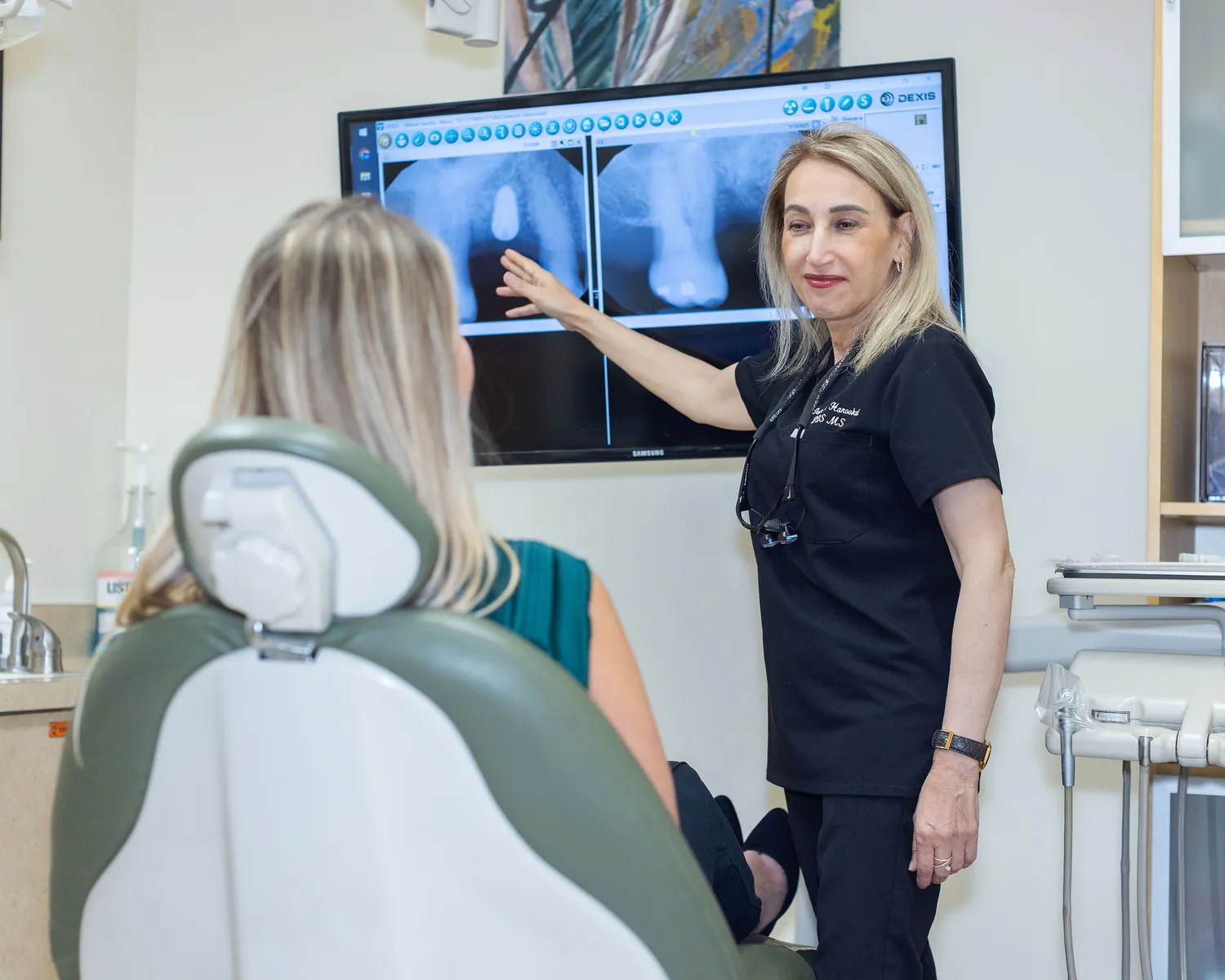
It starts with a comprehensive evaluation and imaging to understand bone levels, gum health, and bite alignment. From there, implant positions are mapped and the teeth designed to fit your smile and facial features. After placement, you’ll move through healing and restoration steps based on your needs and timeline.
Full Arch Options
- Implant-supported fixed bridge A full arch of teeth secured to implants for a non-removable feel (removed only by the dental team).
- All-on-4 / All-on-6 style solutions A full arch can often be supported by a strategic number of implants for strength and efficiency.
- Upper, lower, or both arches You’ll prioritize what improves comfort and function first—and build from there.
Technology That Supports Precision
- 3D imaging to evaluate bone, anatomy, and implant positioning
- Digital scanning for comfortable, accurate records
- 3D printing support for efficient planning and fabrication
Am I a Candidate?
You may be a candidate for full arch dental implants if you’re missing most or all teeth, have recurring problems with dentures, or need a more stable long-term solution. Candidates typically need healthy gums (or a plan to treat gum disease) and enough bone for implant support—if bone is limited, grafting or alternative strategies may be considered. The best next step is a consultation to review your goals and build a clear, personalized plan.
Next Steps
If you’re ready to explore full arch dental implants, a consultation will walk you through options, timelines, and what your smile can look like after treatment—before you commit to anything.
Full Arch Dental Implants FAQ
- What are full arch dental implants?
- They replace an entire upper or lower row of teeth using implants as anchors for a full set of fixed teeth—aiming for a stable, natural-looking result that restores function and confidence.
- How is this different from dentures?
- Traditional dentures rest on the gums and may shift or rub. Full arch implants are supported by implants in the jaw, which typically improves stability, comfort, and chewing strength.
- Is All-on-4 or All-on-6 the same as full arch implants?
- They’re common approaches to full arch restoration. “All-on-4” and “All-on-6” generally mean supporting a full arch with four or six implants, depending on anatomy, bite forces, and goals.
- Does the procedure hurt?
- Most patients describe pressure more than pain. Your comfort plan may include local anesthesia and other options, along with clear aftercare to help you recover smoothly.
- How long does treatment take?
- Timelines vary. Some patients move quickly into a temporary restoration, while others need healing time or extra steps before final teeth. Your exam and imaging set the safest schedule.
- How long do full arch dental implants last?
- Implants are designed for long-term use, and many patients keep them for years with good home care and regular visits. Longevity depends on bite, gum health, hygiene, and habits like smoking.
- What if I’ve been told I don’t have enough bone?
- That doesn’t automatically rule you out. Imaging helps determine whether grafting, alternative implant positions, or different full-arch strategies can help you move forward safely.
- How much do full arch dental implants cost?
- Cost depends on how many implants are needed, the type of restoration, and whether added care (like extractions, grafting, or gum treatment) is required. A consultation provides a personalized estimate.
- How do I get started?
- Schedule a consultation to review your health history, take the right images, discuss your goals, and map out a step-by-step plan to rebuild your smile.