

Non-Surgical Periodontal Therapy
Scaling and Root Planing Treatment
A deep cleaning designed to stop gum disease and bring your gums back to health.
Scaling and root planing is a conservative, non-surgical way to manage mild to moderate periodontal disease. This thorough deep cleaning clears harmful bacteria, plaque, and tartar from below the gum line to calm inflammation and support lasting gum health.
Your First Choice for Cosmetic Dentistry
All About Scaling & Root Planing
At Gage Dental Care, scaling and root planing is one of the most effective early treatments for gum disease. When plaque and tartar build up beneath the gum line, they irritate the tissue and invite infection. This procedure clears those deposits and smooths the root surfaces so bacteria have a harder time taking hold again.
How It Works
- Scaling Removes plaque and hardened tartar from the teeth, especially below the gum line.
- Root planing Smooths the root surfaces to eliminate the rough spots where bacteria gather.
By cleaning beneath the gum tissue and smoothing the roots, inflammation eases and the gums can begin to heal and reattach to the teeth.
When Is It Needed?
This treatment is commonly recommended for gingivitis or early to moderate periodontitis. Mild cases may be handled in a single visit, while more advanced ones can take a few appointments to treat each area of the mouth thoroughly.
- Bleeding gums when brushing or flossing
- Swollen or tender gums
- Persistent bad breath
- Deep periodontal pockets
Tools & Techniques Used
The procedure combines advanced instruments built for precision and comfort.
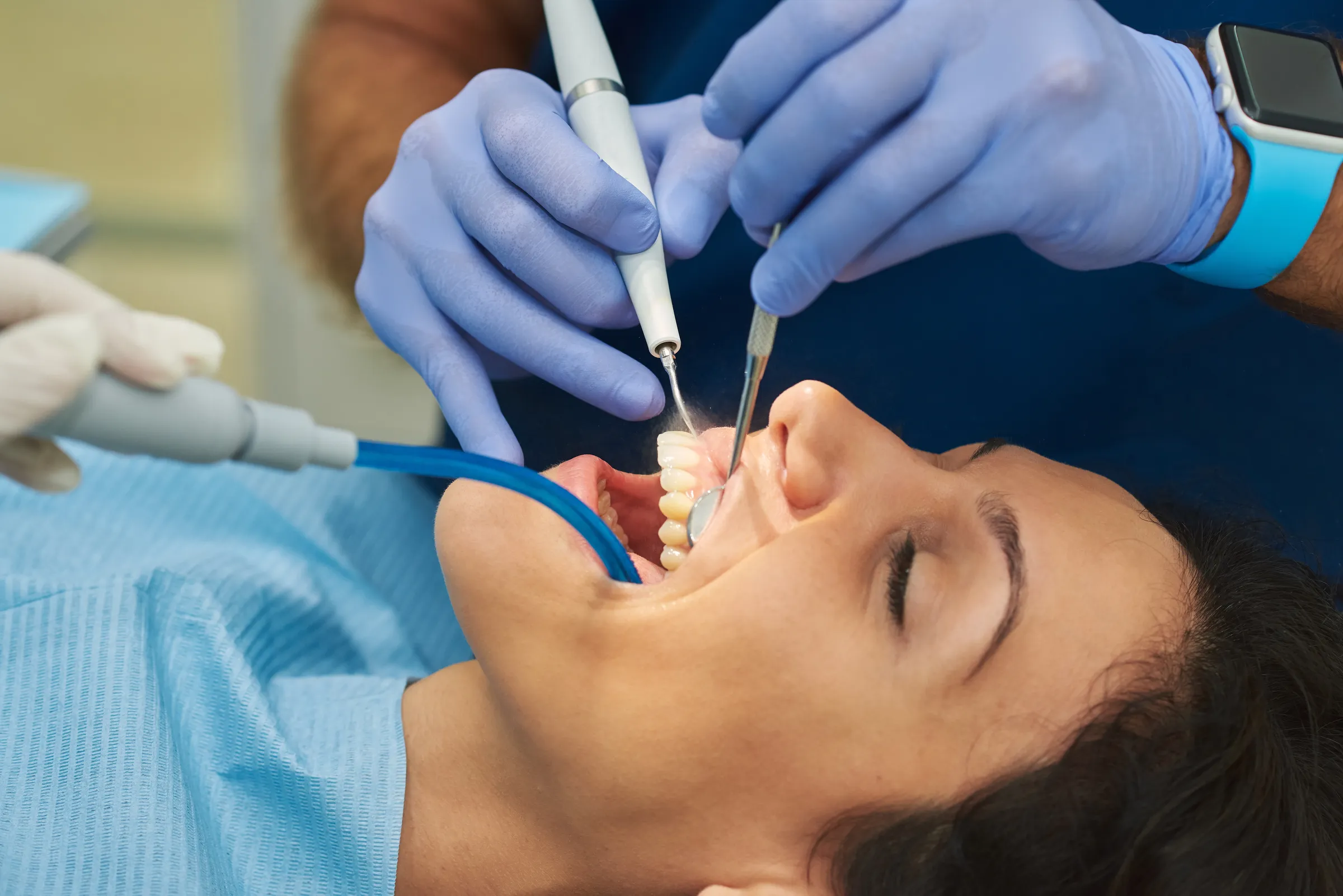
- Ultrasonic scalers to remove larger deposits of plaque and tartar
- Hand instruments like scalers and curettes for detailed root smoothing
Since deposits below the gum line aren’t visible, the clinician relies on precise instruments and tactile feel to make sure the roots are fully cleaned and smoothed.
What to Expect After Treatment
Mild sensitivity or soreness can linger for a few days. With good oral hygiene and routine maintenance visits, scaling and root planing can meaningfully slow or stop the progression of gum disease.
Scaling and root planing is carefully performed to protect your natural teeth and support long-term periodontal stability.

Scaling and Root Planing FAQ
- Is scaling and root planing painful?
- It’s typically done with local anesthesia for comfort. Mild soreness or sensitivity afterward is common but temporary.
- How is this different from a regular cleaning?
- A regular cleaning handles the visible tooth surfaces, while scaling and root planing cleans beneath the gum line and smooths the roots.
- How long does it take?
- Depending on severity, it may be completed in one visit or split across several appointments.
- Will my gums grow back afterward?
- Lost gum tissue doesn’t regrow on its own, but inflammation can subside and gums may tighten as they heal.
- Can it cure gum disease?
- It effectively manages and controls early to moderate gum disease when paired with good hygiene and maintenance care.
- Do I need antibiotics?
- Sometimes localized antibiotic therapy is recommended, depending on how severe the infection is.
- How do I maintain results?
- Daily brushing and flossing plus regular periodontal maintenance visits are essential to prevent recurrence.
- Who is a candidate?
- Patients with bleeding gums, deep pockets, or early signs of periodontal disease are often good candidates.